Womanhood Was Never Meant to Look One Way
From Frida Kahlo and Maya Angelou to Queen Nzinga, Cleopatra, Elizabeth I, and K. R. Gowri Amma, this reflection explores how different cultures have defined leadership, influence, and womanhood. Their stories remind us that there is more than one way to leave a meaningful mark on the world.
Lynai Mufungizi
5/29/20262 min read
What if the version of womanhood many of us inherited is only one version among thousands?
Travel has taught me that many of the things we assume are universal are often cultural. Leadership. Beauty. Success. Even womanhood itself. The more I learn about the people and places that have shaped our world, the more I realize there has never been a single definition of what it means to be a strong woman.
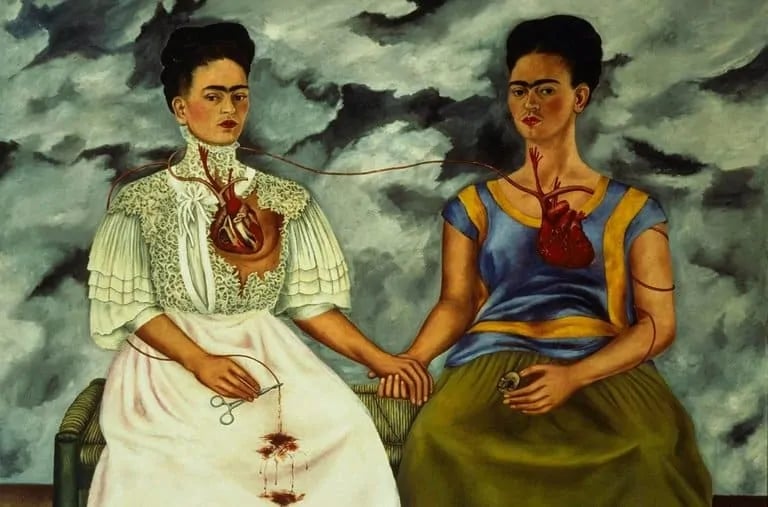
History offers countless examples. Frida Kahlo expressed strength through vulnerability and unapologetic self-expression. Maya Angelou through wisdom, resilience, and the power of voice. Queen Nzinga through resistance, diplomacy, and an unwavering commitment to her people. Cleopatra through intellect and political strategy. Elizabeth I through leadership under scrutiny in a world that questioned whether a woman could rule. K. R. Gowri Amma through decades of reform, public service, and a belief that lasting change often begins at the community level.
These women lived on different continents, in different centuries, and under vastly different circumstances. Yet each expanded what leadership could look like. None of them would have fit neatly inside a single definition. That may be the point.
Too often, history is simplified into categories that make it easier to understand but harder to appreciate. We separate women into artists, queens, activists, mothers, visionaries, or reformers as though these identities exist independently of one another. In reality, the women who leave a lasting mark on the world are often far more complex. Their influence is shaped not only by who they are, but by the cultures, challenges, and opportunities that surround them.
What fascinates me most is how differently cultures have understood strength. Some have celebrated warriors and rulers. Others have honored poets, educators, and community builders. Some have valued boldness and visibility, while others have placed greater importance on stewardship, service, and collective responsibility. Each perspective reveals something about the society from which it emerged.
This is one of the reasons I love travel.
Travel has a way of reminding us that the assumptions we carry are not always universal truths. It invites us to encounter different ways of living, leading, and belonging. It challenges us to see beyond our own lens and consider how history, geography, culture, and tradition shape the way people move through the world.
The more I travel, the less interested I become in finding a single definition of success, leadership, or womanhood. Instead, I find myself drawn to the richness found in their many expressions. There is something deeply freeing about recognizing that there is more than one way to live a meaningful life.
Perhaps that is one of the greatest gifts travel offers. Not simply the opportunity to see new places, but the opportunity to see familiar ideas differently.
The women remembered throughout history were not remarkable because they were perfect. They were remarkable because they were purposeful. They embraced their gifts, navigated their circumstances, and left their mark in ways that reflected who they were and the worlds they inhabited.
The more I learn about their stories, the more convinced I become that womanhood was never meant to look one way. And perhaps neither were we.

The Two Fridas (1939), Frida Kahlo. Image credit: Morrill Memorial Library.
Explore
Luxury travel insights, fashion, and culinary adventures.
Connect
Discover
© 2026. All rights reserved.